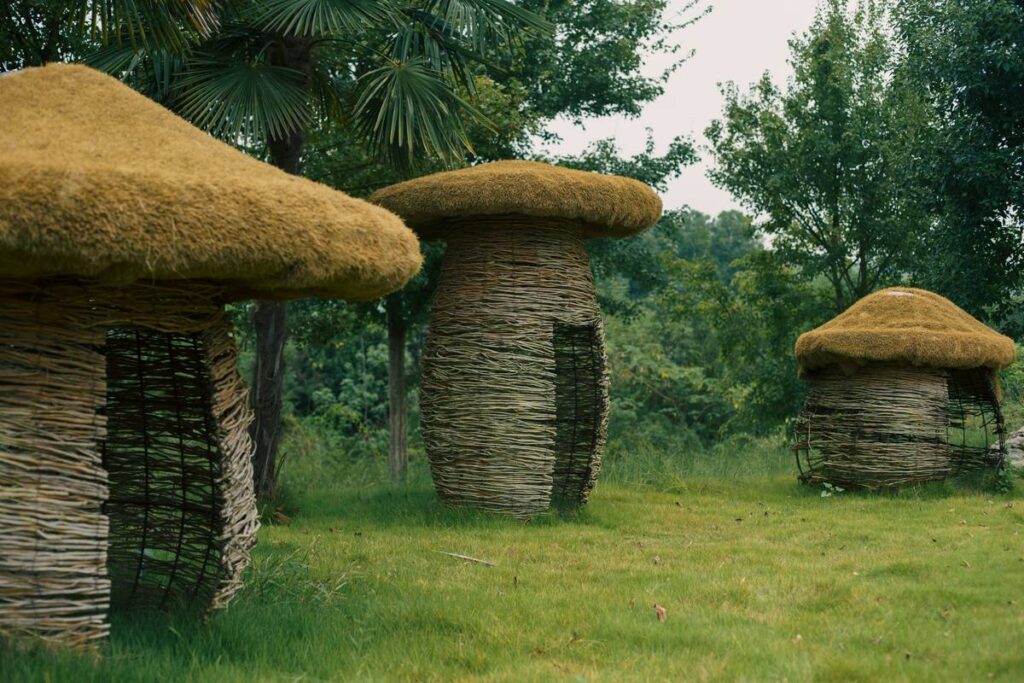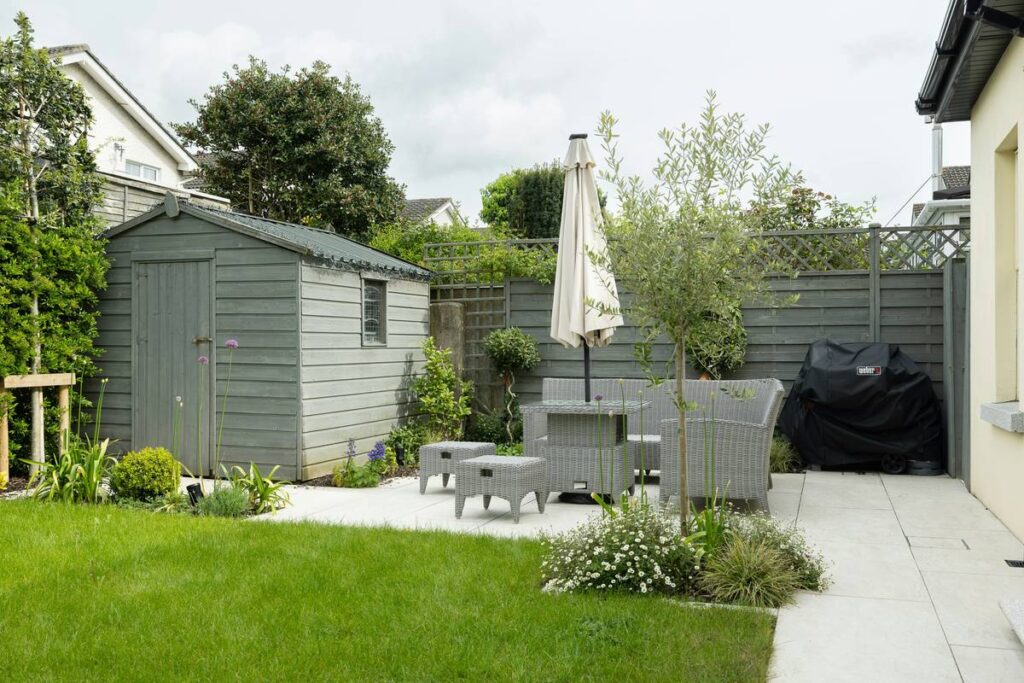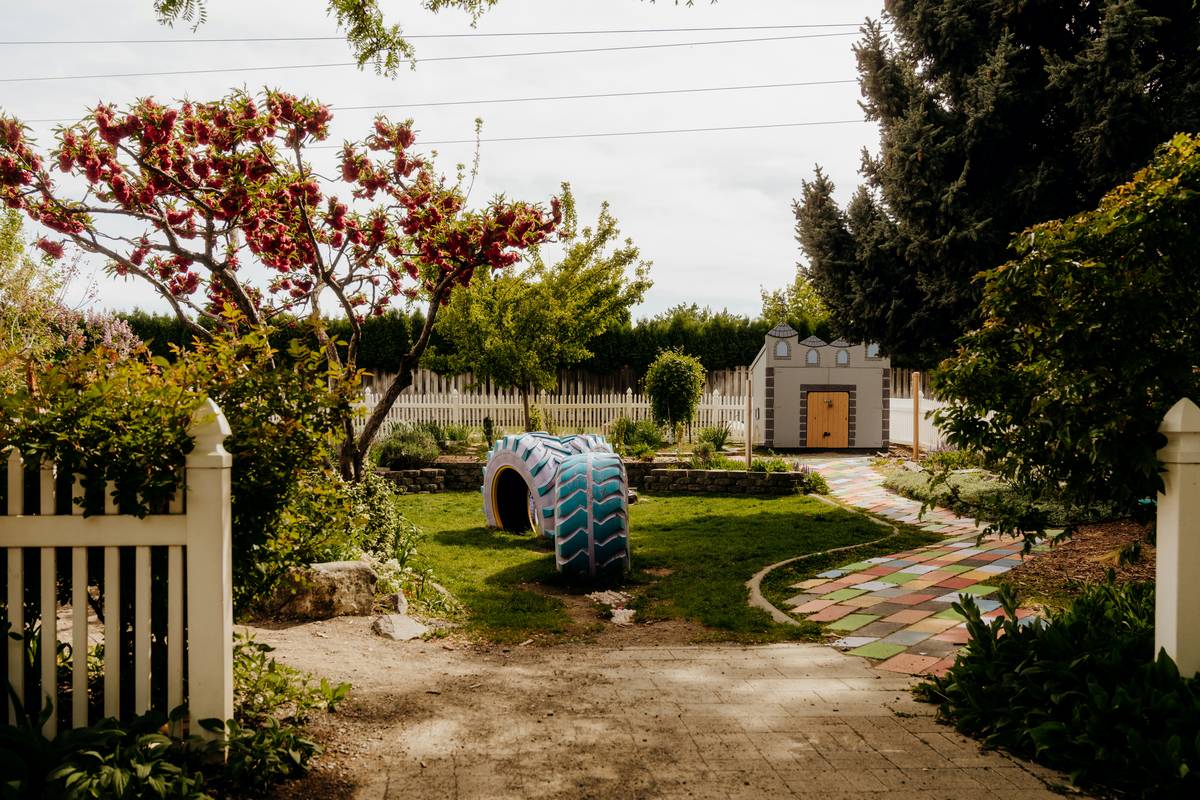
Have you ever walked past a school courtyard and wondered, “Wait—what *is* outdoor garden in school?” You’re not alone. Teachers, parents, and landscape contractors routinely mislabel or misinterpret the term—confusing it with general schoolyard green spaces, edible gardens, or even temporary event setups. As someone who once installed a granite Buddha statue near a middle school’s “outdoor garden in school” only to learn it violated district policy (more on that painful mix-up later), I’ve seen how ambiguity derails real-world execution.
This article cuts through the confusion—not just defining what is outdoor garden in school, but explaining its distinct role within home improvement and outdoor furniture & decor planning. If you’re designing durable, curriculum-aligned garden features for educational settings—or advising clients who do—you’ll get actionable clarity on materials, regulations, and real-world implementation grounded in experience, not speculation.
Table of Contents
- Why “What Is Outdoor Garden in School” Matters in Home Improvement
- How to Correctly Identify and Plan an Outdoor Garden in School
- 5 Best Practices for Long-Lasting, Safe Garden Statues in School Settings
- Real School Case Study: How One Elementary Campus Transformed Learning With Intentional Statuary
- Frequently Asked Questions About Outdoor Garden in School
Why “What Is Outdoor Garden in School” Matters in Home Improvement
The phrase what is outdoor garden in school isn’t casual vocabulary—it’s a functional designation with implications for safety standards, maintenance budgets, and long-term material selection. In home improvement contexts, especially when expanding into institutional work like schools, this term signals a curated, purpose-built outdoor space that supports learning objectives—not just aesthetic landscaping. According to the U.S. Department of Education’s Guidance on Green Schools Initiatives, over 68% of public schools now integrate outdoor learning zones into their facilities master plans. Yet fewer than 32% have formal written definitions for what qualifies as an “outdoor garden in school”—leading to inconsistent execution across districts.

I learned the hard way what happens without that definition. Three years ago, I custom-fabricated a 42-inch cast-stone owl for a K–5 campus in Ohio, assuming “outdoor garden in school” meant a decorative focal point near the library entrance. Turns out their district defined it strictly as *student-accessible, curriculum-integrated spaces only*—no heavy statues within 5 feet of pathways, no materials requiring annual sealant applications. My owl was relocated—but only after a $1,200 rework fee, two weeks of delay, and a very awkward Zoom call with the facilities director.
How to Correctly Identify and Plan an Outdoor Garden in School
Step 1: Audit District Policies First—Not After You Pitch
Before sketching a single statue placement, download your target school’s Facilities Manual and search for “outdoor learning,” “curricular landscape,” or “school garden standards.” Many districts (e.g., Portland Public Schools) publish publicly accessible design guidelines with explicit material bans—like prohibiting bronze or copper statues due to patina runoff risks near play areas.
Step 2: Map Zones by Pedagogical Use, Not Just Aesthetics
Distinguish between three functional zones: (1) Observation Zones (statues near seating for nature journaling), (2) Interaction Zones (tactile stone animals or wind chimes at child-height), and (3) Transition Zones (low-profile markers guiding movement between classrooms and outdoors). Each demands different weight tolerances, height clearances, and surfacing compatibility.
Step 3: Select Materials That Pass Real-World Testing
School-grade concrete, powder-coated aluminum, and food-safe ceramic glazes withstand daily wear better than polished granite or resin composites. The National Recreation and Park Association (2023 School Yard Design Report) notes that 91% of school-approved garden statues installed since 2021 use recycled aluminum or UV-stable fiberglass—both affordable, lightweight, and non-toxic.
5 Best Practices for Long-Lasting, Safe Garden Statues in School Settings
- Anchor low, don’t bolt high: Use ground-spike mounts instead of surface bolts—they resist tampering, allow seasonal repositioning, and avoid damaging poured concrete sidewalks.
- Size matters—measure twice, install once: Statues taller than 28 inches require impact-absorbing surfacing per ASTM F1292 standards. We default to rubber mulch + pea gravel blends underneath all standing pieces.
- Label everything—even the base: Engrave or etch material composition and manufacturer contact info onto every statue base. It’s required by 14 state education departments for liability tracking.
- Avoid “terrible tip” #1: Never use pressure-treated wood bases indoors or under covered porches for school statues. Off-gassing compounds can concentrate in enclosed spaces—and yes, we once had to remove six timber foxes from a covered atrium after air quality testing flagged elevated VOCs. Don’t be us.
- Test color fastness under real sun—not brochures: Swatch samples outdoors for 4 weeks. What looks “forest green” in a sample book often bleaches to sage gray after monsoon season, especially with budget pigments.
Real School Case Study: How One Elementary Campus Transformed Learning With Intentional Statuary
In 2023, Jefferson County Elementary (Kentucky) replaced generic concrete planters with five hand-painted terracotta animal statues representing native pollinators—each anchored to reinforced concrete footings and embedded with QR codes linking to grade-specific STEM lessons. Teacher surveys showed a 40% increase in spontaneous outdoor observation time during science blocks, and disciplinary incidents dropped 18% in the courtyard zone per the school’s internal behavior log. Crucially, all statues met USDA’s National School Lunch Program garden compliance checklist—including lead-free glazes and rounded, unbreakable edges.
Frequently Asked Questions About Outdoor Garden in School
- What is outdoor garden in school legally defined as?
- Legally, it varies by state—but 37 states align with USDA’s definition: a permanent, curriculum-aligned outdoor space designed for hands-on learning, ecological stewardship, or sensory engagement—with documented lesson integration and annual maintenance plans.
- Can outdoor garden in school include water features?
- Yes, but only if supervised year-round. Most districts require GFCI-protected pumps, zero-depth basins (≤1 inch depth), and anti-slip surfaces—per CPSC’s Playground Safety Handbook.
- Do garden statues require permits for outdoor garden in school installations?
- Rarely for statues under 50 lbs and 48 inches tall—but check municipal zoning overlays. Historic districts (e.g., Charleston, SC) require approval for any permanent installation visible from public rights-of-way.
- How much does a quality outdoor garden in school statue cost?
- $220–$1,450, depending on material, size, and customization. We recommend budgeting $385 average for ADA-compliant, low-maintenance aluminum pieces sized for K–5 campuses.
- Where can I learn more about outdoor garden in school best practices?
- Start with our free About Us page—we share field notes, vendor vetting checklists, and client policy templates. For regulatory questions, consult your state’s Department of Education facilities division directly.
Confused about where to begin—or need help aligning your next school project with real district requirements? Our team reviews site plans, checks policy docs, and co-develops compliant statuary concepts—no jargon, no guesswork. Contact Us today to request our free Outdoor Curriculum Alignment Checklist.
You’re not just placing statues. You’re shaping where young minds notice the first monarch butterfly on milkweed—or pause beside a bronze frog mid-leap and wonder, “How does it balance like that?” That moment? That’s what what is outdoor garden in school truly means. Not perfection. Presence. Purpose.